
Key Aspects of the final Discussion
Digital Participation offers universities the opportunity to make decision-making processes more inclusive, transparent and efficient. At the same time, it places new demands on the design of the participatory processes and the tools used. For digital participation to realize its democratic potential, key framework conditions must be taken into account.
During the workshop, the following requirements for participatory processes as well as for supporting digital tools. In the concluding discussion, the following requirements and framework conditions were identified in particular:


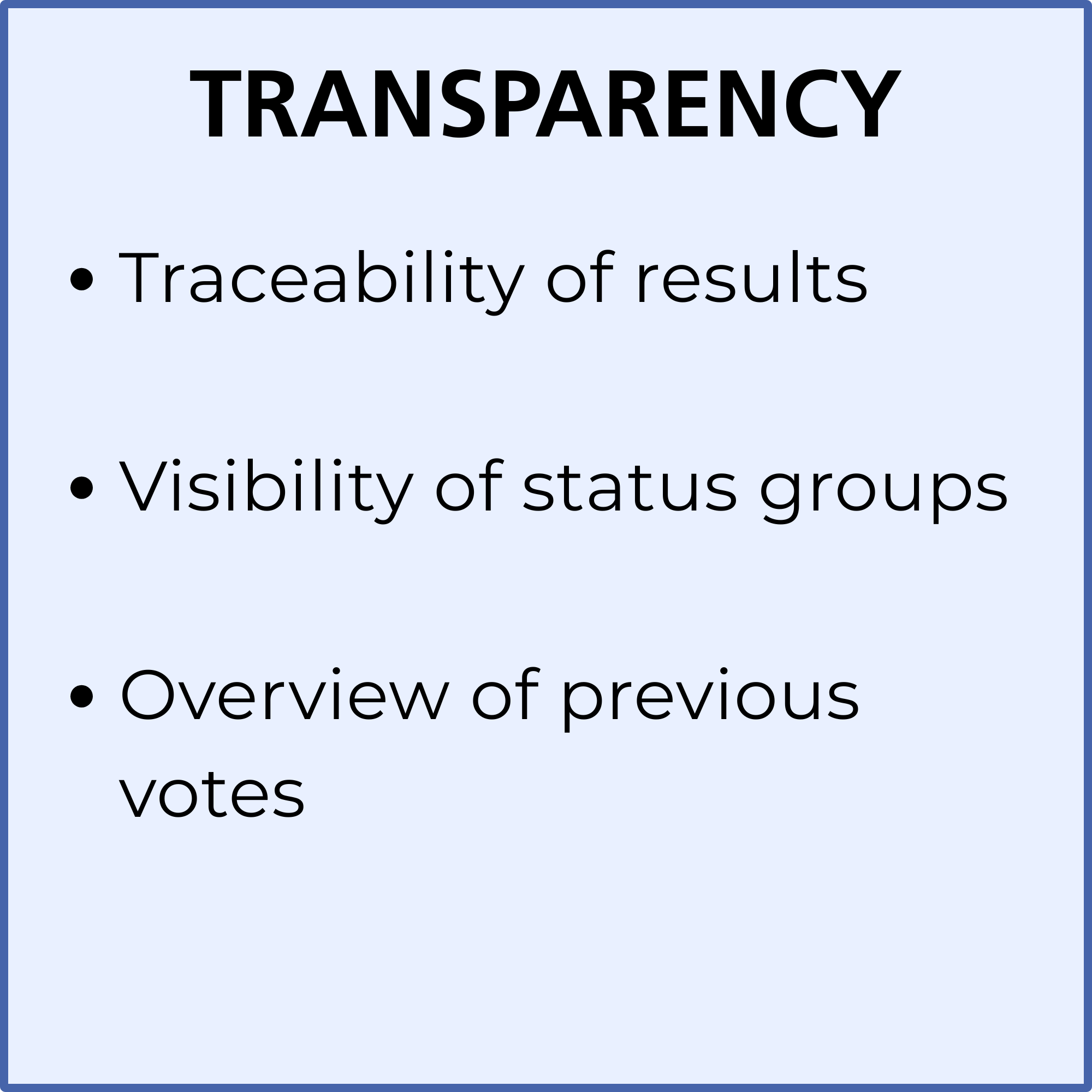
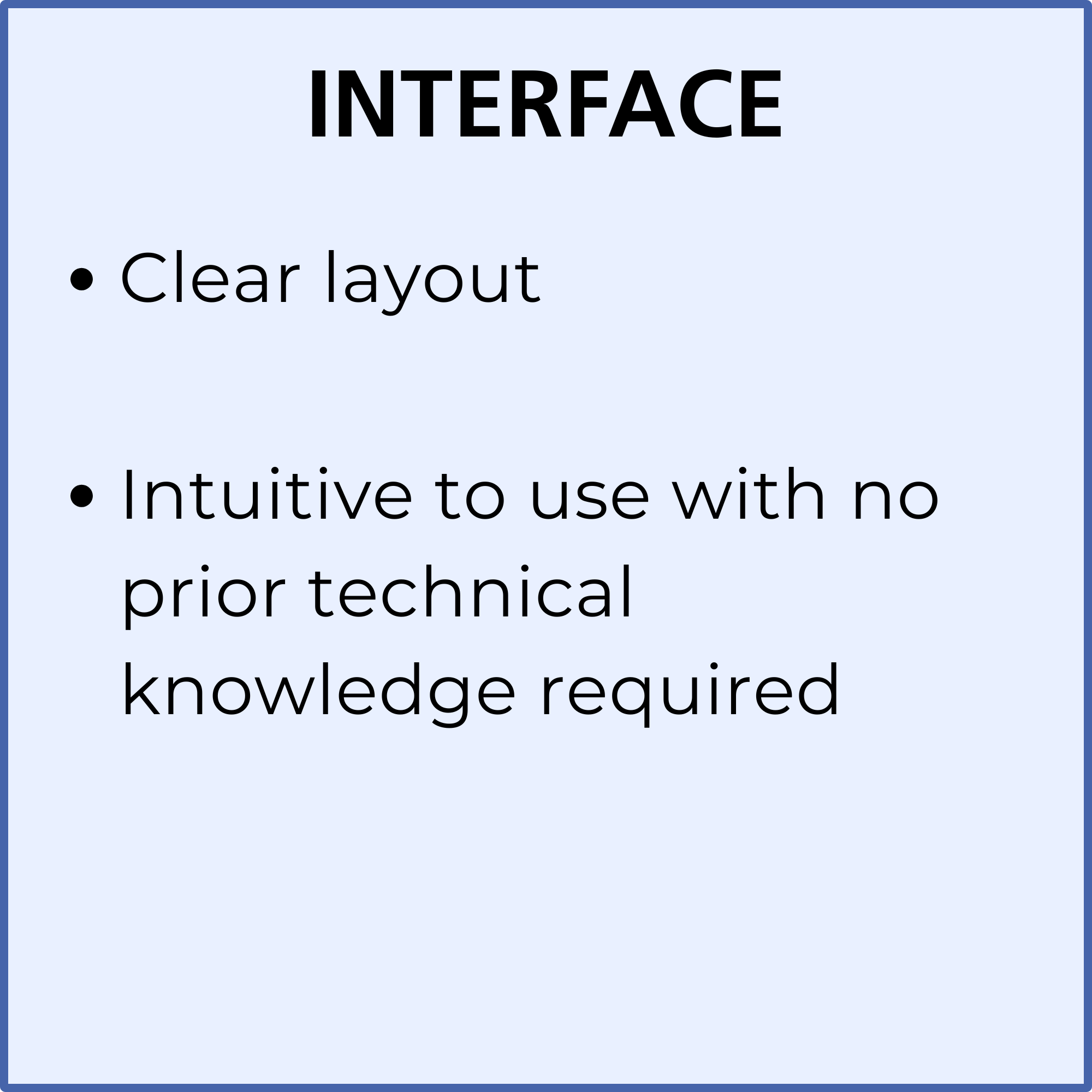
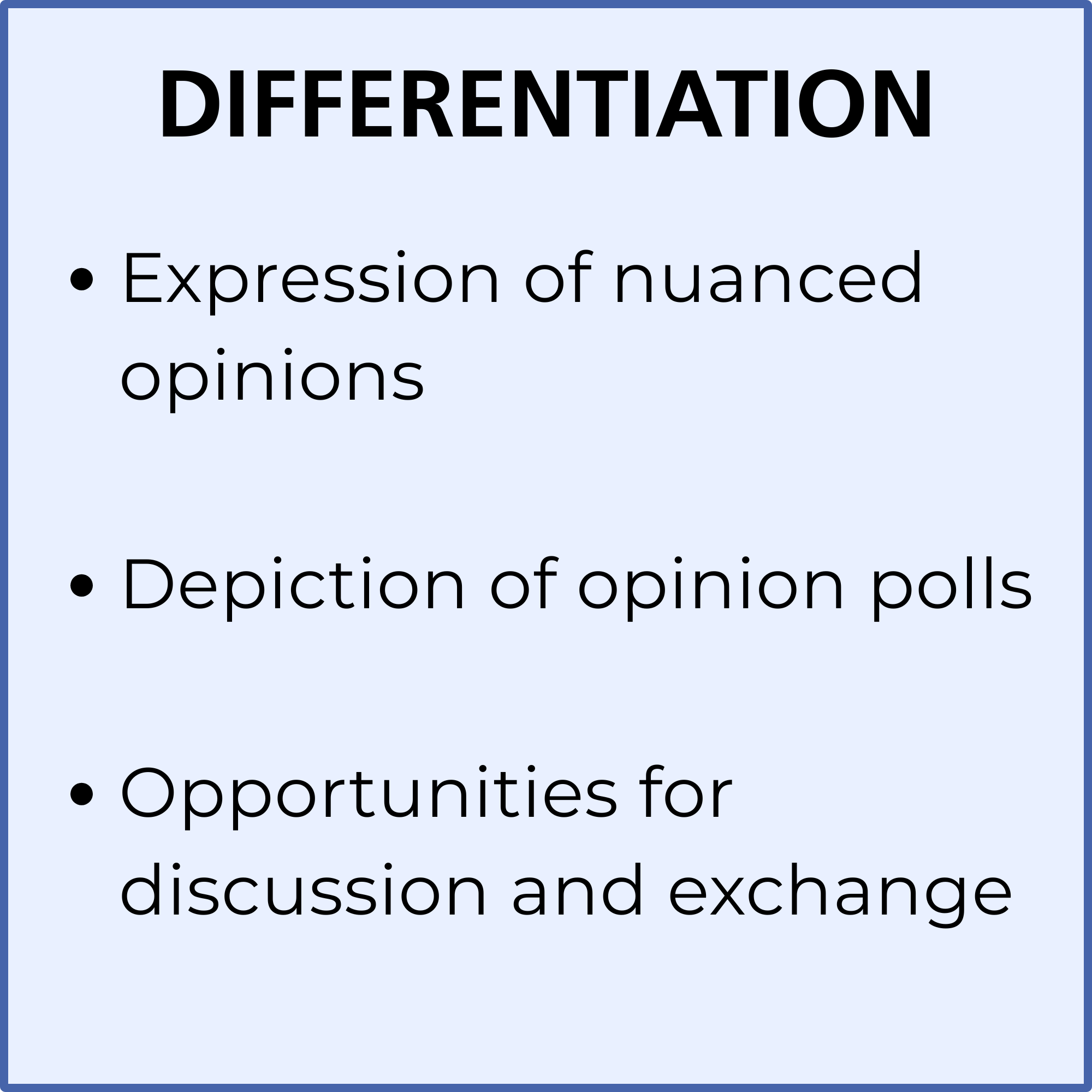

The resulting key points form the basis for the overarching demands that were subsequently developed. These results thus reflect both theoretical insights and the practical experiences and expectations of the participants in the DDC WS 25/26.
Demands
- Ensuring effectiveness: Participation is inly legitimate and sustainable if its results are visibly incorporated into decision-making processes – whether through direct implementation or through mandatory referral to the relevant bodies and committees.
- Enabling low-barrier access: Digital participation can only succeed if barriers to access are consistently removed. This can be achieved through accessible design and intuitive usability, as well as through the option of anonymous participation, which facilitates free expression of opinion, particularly in hierarchical contexts.
- Transparency as a foundation of trust: Transparency throughout all phases of the participation process is a pre required for trust: Participation is only perceived as meaningful and effective when decision-making processes, information sources, and the follow-up on results are transparent.
- Interface design: The design of the user interface is a key success factor for the digital participation. Participation tools must be designed to enable intuitive and pleasant use. This includes constant and understandable user guidance that is accessible bern without prior knowledge. Furthermore, cross-device usability is essential to enable participation regardless of technical requirements.
- Strengthening nuanced participation: Digital participation tools must go beyond simple voting and enable differentiated expression of opinion, discussion and the mapping of opinion landscapes to do justice to the complexity of university decision-making processes.
- Institutionalize minority protection: A functioning participation process requires mechanisms to protect minorities, including independent grievance structures to balance power asymmetries and ensure fair participation.
Conclusion
The results of the concluding discussion show that successful digital participation in a university context is not merely a technical challenge but depends significantly on structural and procedural conditions.
Effectiveness, accessibility, transparency, interface design, differentiated participation opportunities and the protection of minorities are central guiding principles in the regard. Only through the interplay of these factors can digital participation formats build trust and make a sustainable contribution to the democratic governance of universities.
The importance of effectiveness: While many of the other aspects were already implicit in the requirements for digital tools, the demand for actual impact from the participation results was explicitly raised by the participants themselves. This underscores that successful participation requires not only good processes, nut above all visible consequences.